Learn about the impact of social media on youth, including its effects on communication, education, mental health, and daily life.
“The internet is becoming the town square for the global village of tomorrow.”
 Bill Gates
Introduction
Social media has become an important part of modern youth culture.
Social media has become an important part of modern youth culture. Young people use platforms such as Instagram, TikTok, YouTube, Facebook and other online communities to communicate, learn, share content and entertain themselves. But social media is not simply good or bad. Its effects can depend on what young people see, how they use these platforms, how often they use them, and their individual circumstances. The American Psychological Association notes that social media can provide opportunities for connection and support while also creating potential risks for some adolescents
Why Do Young People Use Social Media?
Young people use social media for many different reasons. Some use it to stay connected with friends, while others use it for entertainment, education, creativity or discovering new interests

In Pakistan, digital
platforms have a substantial overall audience. DataReportal reported 116
million internet users and 66.9 million social media user identities
in Pakistan in January 2025. These figures cover the overall population and
should not be interpreted as youth-only statistics.
Positive Effects of Social Media on Youth
When used thoughtfully, social media can offer young people opportunities to communicate, learn and participate in communities.
Better communication
Social platforms allow young people to communicate with friends and relatives even when they live far apart.
Educational opportunities
Students can find tutorials, lectures, educational pages and communities related to their studies. Social media can therefore supplement traditional learning when the information comes from reliable sources.
Creativity and self-expression
Young people can use social platforms to share photography, artwork, writing, videos, programming projects and other creative work.
Building communities
Online communities can help people find others who share their interests and experiences. The APA notes that social media can provide opportunities for social support and healthy socialization.
Impact of Social Media on Education
Social media has changed how students find and share information.
Benefits
Students can:
- Watch educational tutorials
- Join study communities
- Discover learning resources
- Follow experts and educational organizations
- Share projects and ideas
- Learn about opportunities
Challenges
However, students can also face:
- Distractions from notifications
- Unreliable information
- Reduced concentration
- Procrastination
- Copying information without understanding it
Social media vs. learning
|
Positive use |
Negative use |
|
Educational videos |
Endless scrolling |
|
Study communities |
Constant notifications |
|
Expert content |
Misinformation |
|
Sharing projects |
Academic distraction |
|
Learning new skills |
Procrastination |
Negative Effects of Social Media on Youth
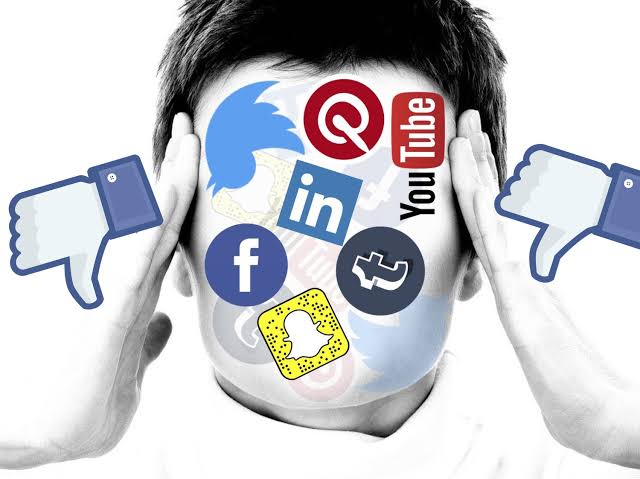
The same platforms that provide benefits can also create challenges, particularly when use becomes excessive or when young people encounter harmful content.
Excessive screen time
Spending too much time online can interfere with studying, physical activity, sleep and face-to-face relationships.
Distraction
Constant notifications and scrolling can make it harder to concentrate on schoolwork or other important activities.
Social comparison
Seeing carefully selected images of other people's lives can create unrealistic expectations about appearance, lifestyle or success.
Cyberbullying
Negative comments, harassment and bullying can move from offline environments into social platforms.
Privacy concerns
Young users may share personal information without fully understanding how it can be collected, stored or shared.
The APA recommends that social media use should not interfere with sleep and physical activity and highlights the importance of social-media literacy and age-appropriate guidance
Impact of Social Media on Education
Social media has changed how students find and share information.
Benefits
Students can:
- Watch educational tutorials
- Join study communities
- Discover learning resources
- Follow experts and educational organizations
- Share projects and ideas
- Learn about opportunities
Challenges
However, students can also face:
- Distractions from notifications
- Unreliable information
- Reduced concentration
- Procrastination
- Copying information without understanding it
Social media vs. learning
|
Positive use |
Negative use |
|
Educational videos |
Endless scrolling |
|
Study communities |
Constant notifications |
|
Expert content |
Misinformation |
|
Sharing projects |
Academic distraction |
|
Learning new skills |
Procrastination |
The key difference is intentional use. A student watching a 15-minute tutorial is using social media differently from someone spending hours scrolling without a clear purpose.
Users can participate in beta testing programs, providing feedback on upcoming releases and influencing the future direction of the platform. By staying current with updates, you can take advantage of the latest tools and features, ensuring your business remains competitive and efficient.
Develop digital literacy
The APA recommends social-media literacy so young people can better evaluate online content, recognize misinformation and understand potential risks..
Conclusion
Social media has become an important part of modern youth life. It can provide opportunities for communication, education, creativity and social connection, but it can also create challenges when use becomes unhealthy or when young people encounter harmful content.
The real question is not simply whether social media is good or bad. A more useful question is how it is being used.
By developing healthy digital habits, protecting personal information, checking online information and maintaining a balance between online and offline life, young people can make better use of social media while reducing potential risks.